
The base is the part nobody talks about when they show you the before-and-after photos. But it’s the decision that affects everything else — how natural it looks at the hairline, how it holds up when you sweat, how long it lasts, how much upkeep it takes.
Most men find out about base types after they’ve already booked a specialist. That’s fine — your specialist will guide you through it. But understanding the basics beforehand means you arrive at that conversation knowing what questions to ask.
There are three main base types: lace front, poly (also called skin base), and a hybrid that combines elements of both. Here’s what each one actually means.
What the Base Is and Why It Matters
The base is the thin layer that sits between the hair and your scalp. It’s what gets bonded down with adhesive. It holds the hair strands in place. And it determines how the unit looks, feels, and wears over time.
Think of it as the foundation. The hair on top can be cut and styled to look exactly right. But if the base doesn’t suit your scalp, your lifestyle, or your level of hair loss, you’ll notice — and so will other people.
The three main base materials are lace, poly/skin, and hybrid. Each one makes a different trade-off between how natural it looks, how long it lasts, and how much maintenance it needs.
Lace Front
Lace is a fine mesh material. The hair is hand-tied into it strand by strand. At the hairline, it sits almost flush with your skin, which is why lace front systems produce the most natural-looking hairline of any base type.
Up close, in direct light, a properly fitted lace front hairline looks like hair growing directly from your scalp. Not like a unit sitting on top of it. That distinction matters more than it sounds — it’s the detail that makes the difference between a result someone might notice and one they won’t.
Lace front works best if:
- Your hairline is the main thing you want to look right
- You want to style your hair forward, off to the side, or away from your face — lace gives you more freedom here
- You run warm, sweat easily, or lead an active lifestyle — lace breathes, poly doesn’t
- You don’t mind a slightly shorter maintenance window in exchange for a cleaner result
The trade-off:
Lace is the most delicate of the three. The mesh can fray at the edges over time, and the front needs more careful handling during cleaning and reattachment. Most lace front systems need reattachment every one to two weeks at the hairline to keep the edge looking sharp. The unit itself lasts around three to four months with proper care.
Poly / Skin Base
Poly base — sometimes called a skin base — is made from a thin layer of polyurethane. It’s solid, not mesh. The surface mimics the look of scalp, so when it’s bonded down, it creates the appearance of hair growing directly from the skin.
It doesn’t produce quite as natural a hairline as lace at very close range. But it holds the bond longer, it’s easier to clean, and it’s more forgiving for men who are newer to hair systems. A lot of specialists recommend poly base to first-time wearers for exactly this reason.
Poly base works best if:
- You want a low-maintenance setup — poly can hold a full bond for three to four weeks before needing to come off for cleaning
- You’re less concerned about hairline realism at very close range and more focused on overall appearance
- You don’t do a lot of heavy cardio or spend extended time in heat — poly doesn’t breathe, which matters if you sweat heavily
- You’re new to hair systems and want something more straightforward to manage
The trade-off:
Poly isn’t as breathable as lace. In hot weather or during intense exercise, heat can build up under the base. It’s also slightly less forgiving at the hairline under close inspection. The bond holds well but the surface can degrade faster with exposure to oils and heavy adhesives. Most poly base units last around three to four months.
Hybrid: The Middle Option
A hybrid system combines lace and poly in the same unit. The most common version uses lace at the front hairline for realism, with poly around the sides and back for a stronger, easier-to-clean bond.
For men who want the natural hairline of lace without committing to the higher maintenance it requires, hybrid is often the practical answer. The poly perimeter makes application and cleaning more straightforward. The lace front keeps the result looking right where it matters most.
Most experienced hair system wearers end up on a hybrid or lace front. The poly base tends to be the starting point.
How to Choose
The honest answer is that your specialist will have a view on what suits you. They’ve seen how different bases perform on different hair types, scalp textures, and lifestyles. That conversation is part of what the phone consultation is for.
But going in with a sense of your priorities helps:
| Priority | Base to consider |
|---|---|
| Most natural hairline | Lace front |
| Lowest maintenance | Poly / skin base |
| Active lifestyle, sweat, heat | Lace front or hybrid |
| First-time wearer | Poly or hybrid |
| Styling flexibility | Lace front |
| Longer bond between visits | Poly / skin base |
If you’re not sure, say so. A good specialist won’t default to whatever’s easiest for them — they’ll ask about your lifestyle and match the base to it.
What This Means for Maintenance
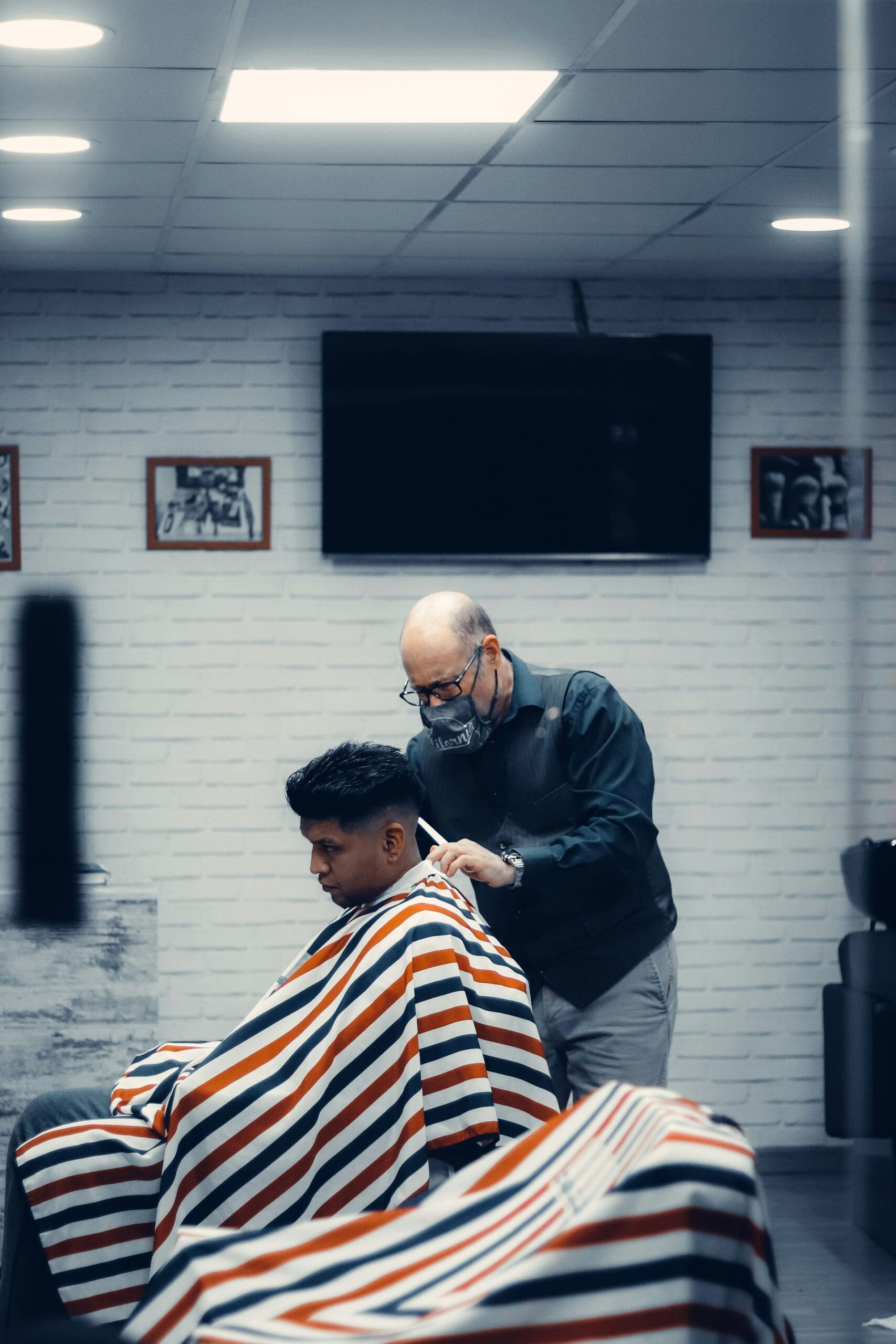
Base choice affects how often you need to come in. Lace front systems typically need the hairline reattached every one to two weeks to stay looking clean, even if the full removal and reattachment happens every four to six weeks. Poly base can hold a full bond for three to four weeks before needing to come off.
This isn’t a dramatic difference in practice — most men settle into a maintenance schedule that works regardless of base type. But it’s worth knowing before you choose. The hair system maintenance guide covers what each visit involves and how to look after the unit between appointments.
Common Questions
Is a lace front or skin base more detectable?
A well-fitted lace front is harder to detect at the hairline — the mesh disappears against the scalp in a way that poly doesn’t. But overall appearance depends more on the quality of the installation than the base material. A bad lace front install will look worse than a well-done poly base.
Which base lasts longer?
They’re similar — both typically need replacing every three to four months. The difference is how often the bond needs attention in between. Poly holds longer between maintenance visits. Lace needs more frequent hairline upkeep.
Can you switch between base types?
Yes. Some men start on poly and move to lace or hybrid as they get more comfortable with the maintenance routine. Your specialist can advise what makes sense at each stage.
Does base type affect how the hair looks on top?
The base affects the hairline and the bond. The hair itself — texture, density, colour, cut — is a separate set of decisions made during your consultation. A good specialist matches the hair to your existing texture regardless of which base you choose.
What base type do most men start with?
Poly or hybrid. Both are more forgiving for first-time wearers. Lace front is more common once someone is familiar with the maintenance routine.
Aceman Weave Units connects you with vetted hair system specialists across 9+ US cities. Over 13,000 men have used the platform. Your specialist will walk you through base options during the phone consultation — you don’t need to have made this decision before you speak to them.
If you’re ready to find a specialist, browse by city and see their work before committing to anything.
Browse vetted hair system specialists near you on Aceman Weave Units.